
Blood Sugar
Take control of blood sugar with Australia's trusted health experts. Learn about treatment options, nutrition, and everyday strategies for lasting wellness.
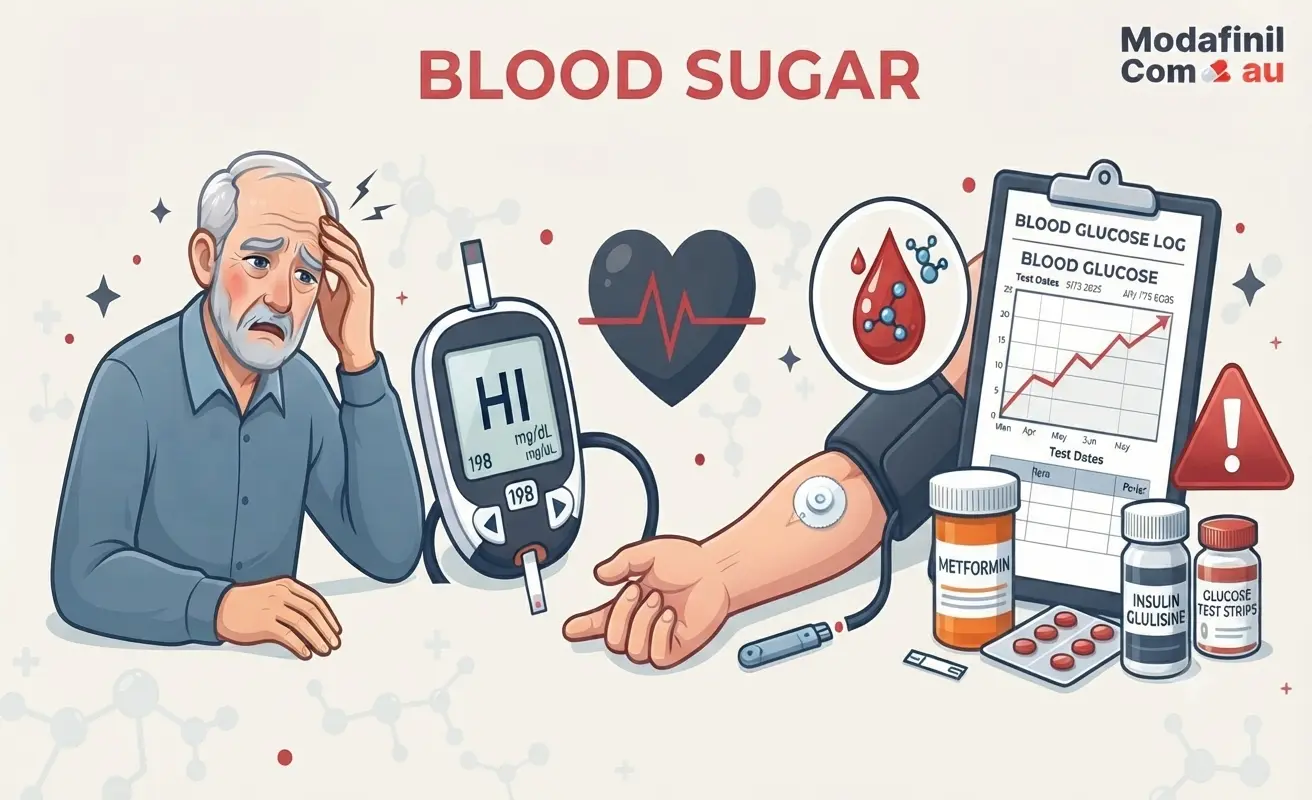
What Is Blood Sugar?
Blood sugar is called as blood glucose, and it reflects the amount of glucose within the bloodstream. However, the glucose is one of the body primary source of energy and is obtained from carbohydrates, which is available in bread, rice, fruits, milk, cereals, and vegetables.
Once your body intake carbohydrates then it gets break into glucose and later on enters to the bloodstream.
When glucose level is higher- hyperglycaemia
When the blood sugar level is too low then it is hypoglycaemia, and this can impact your brain, kidneys, eyes, heart, nerves and blood vessels.
In Australia, the blood sugar disorder affects hundreds of people with
• Type 1 diabetes
• type 2 diabetes
• gestational diabetes
• prediabetes
Why is blood sugar important?
It has been found that every cell in the body relies on glucose to function properly. This includes your
brain, muscles, heart, and other organs
Each of these requires a continuous supply of glucose to perform your daily routines. Since the blood sugar level rises naturally, right after eating or gradually as glucose is readily absorbed into the cells.
Healthy blood sugar regulation helps to supply energy throughout the day, supports normal functioning of the brain, supports the immune system properly, and supports cardiovascular health. Diabetes complications are reduced.
Maintenance can be done with Berberine HCl 500mg capsules to support metabolism, including blood sugar regulation, insulin sensitivity, and lipid balance.
Types of Blood Sugar Disorders
Blood sugar disorders are classified into two categories-
➤ High Blood Sugar (Hyperglycaemia)
The condition happens when the blood glucose level is much higher than your usual level. This is because your body either does not develop enough insulin or cannot make use of it in an effective manner.
Some of the common causes are-
- Infection
- obesity
- Prediabetes
- Physical inactivity
- stress
- Type 1 diabetes
- Infection
➤ Low Blood Sugar (Hypoglycaemia)
Hypoglycaemia mainly develops when blood glucose falls below healthy levels. It commonly affects
people who are taking insulin
Individuals who are skipping meals
Those who are exercising intensely without adequate food
Individuals taking alcohol without consuming food.
➤ Causes of High Blood Sugar
Combining several lifestyle and medical factors can contribute to an increased blood sugar level. This mainly involves-
- Diabetes mellitus
- Chronic stress
- Pancreatic disease
- Certain medications
- Hormonal disorders
- Pancreatic disease
- Insulin resistance
- Overweight and obesity
- Sugary beverages
- Pregnancy
➤ Causes of Low Blood Sugar
- Low blood sugar
- Excess insulin dosage
- Delayed meals
- fasting
- Liver and kidney disease
- Hormonal deficiency
- Rare pancreatic tumor
- Excessive alcohol consumption
- Intense exercise
The management of blood sugar can be accompanied with different medicines as well and should be purchased online with Modafinil Australia Performing as the most authentic and reliable online pharmacy, we help in delivering medicines across different countries and thereby giving people an affordable deal.
Our delivery is made to different countries thereby following compliance and regulations.
➤ Symptoms of High Blood Sugar
Early recognition of symptoms can help to prevent overall complications. Some of the common symptoms include-
- Fatigue
- blurred vision
- Slow wound healing
- Dry skin
- Frequent infections
- Increased hunger
- Dry mouth
- Increased thirst
➤ Symptoms of Low Blood Sugar
Lowering of blood sugar often develops symptoms like-
- Hunger
- Weakness
- anxiety
- Shaking
- sweating
- Loss of coordination
- Difficulty in speaking
- Confusion
- irritation
Complications of Poor Blood Sugar Control
An uncontrolled blood sugar can damage multiple organs, and some potential complications include-
➔ Heart issues
The increase in high glucose levels increases the risk of heart attack and even stroke.
➔ Kidney disease
Diabetes has been found to be one of the leading causes of chronic kidney disease.
➔ Eye damage
Diabetic retinopathy can slowly damage vision and may lead to blindness if untreated.
➔ Nerve Damage
Peripheral neuropathy can cause numbness, tingling, burning pain, and reduced sensation.
➔ Foot problems
Poor circulation of blood and nerve damage increase the risk of ulcers and infections.
➔ Dental problems
High blood sugar increases susceptibility to gum infections and periodontal disease.
➔ Diagnosis of Blood Sugar Disorders
Several laboratory tests can help to diagnose blood sugar disorders.
➔ Fasting blood glucose testing
This test measures the blood sugar after fasting for at least 8 hours.
➔ HbA1c Test
This reflects the average blood sugar levels over approximately three months.
➔ Random blood glucose test
This is useful when symptoms strongly suggest diabetes.
➔ Continuous monitoring of glucose
Many Australian people with diabetes use CGM systems for real-time glucose monitoring.
Tips for dealing blood sugar
➽ Following a healthy diet
A balanced diet should include whole grains, Lean protein, healthy fats, high-fibre foods, legumes, and fruits in moderation. It is advisable to limit the intake of Sugary drinks, Cakes, white bread, and sweet desserts.
➽ Following regular activities
Following healthy guidelines suggests following at least 150 minutes of moderate exercise each week. Some of the appropriate activities include-
• cycling
• swimming
• walking
• yoga
• resistance training
➽ Management of body weight
it has been found that a modest body weight can improve insulin resistance and lower blood sugar levels in people with prediabetes or type 2 diabetes.
• Medicines
• Depending upon the diagnosis, treatment may include-
• Sulfonylureas
• Insulin therapy
• SGLT2 inhibitors
• GLP-1 receptor agonists
• DPP-4 inhibitors
➽ Blood sugar monitoring
Monitoring allows patients to understand how exercise, medicines, food, illness and stress can affect their glucose level. Therefore, healthcare expert recommend- Routine HbA1c testing, Continuous glucose monitors and also Finger-prick glucose testing.
Some important prevention tips
Most of the case with type 2 diabetes can be delayed or prevented through healthy lifestyle.
• People are advised to maintain a healthy body weight
• Managing stress
• Monitor blood sugar level
• Stop smoking and consuming alcohol
• Attending regular health check-up
• Taking sleep for 7-9 hours
When there is a need to manage blood glucose with medicine then Berberine 500mg Capsules, is beingwidely recommended for people to care metabolic health, healthy blood sugar levels, and lipid balance.
Frequently asked questions
Quick answers to common questions about this topic.
Normal fasting blood sugar level is generally around 70–99 mg/dL (3.9–5.5 mmol/L). Moreover, blood sugar is measured 2 hours after eating is typically below 140 mg/dL (7.8 mmol/L).
Ready to order with confidence?
Choose your pack size, checkout in minutes, and track discreet delivery anywhere in Australia.
- Verified pharmacy
- Secure checkout
- AU-wide delivery
Speak with our team
Australian support for product questions and delivery, Mon–Fri, 9am–5pm AEST.
Contact support